
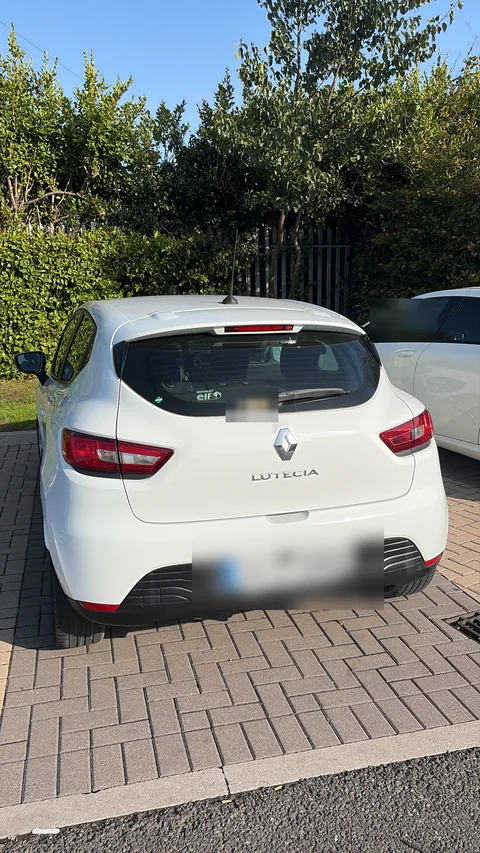
 Walk away2,000+ µm of filler in a door aperture, on no recordSeptember 2026 · Petrol · Japanese import
All real cases
Fix first October 2026 · Hybrid · Japanese import
2018 Toyota C-HR Hybrid import with a healthy battery and a list of jobs
0.069 V spread across 9 hybrid battery sections
66,706 km (same in 3 computers)Mileage
9 sections within 0.069 VHybrid battery
7 history codes, all low voltage, none on re-scanFault codes
The hybrid battery sections sat within 0.069 V of each other and it drove smoothly. It still needed a full service, a 12 volt battery check and answers about three repaints.
Photos from the inspection 5
This 2018 Toyota C-HR Hybrid was a Japanese import with 66,706 km on the clock, and mechanically it impressed our inspector. The hybrid battery was very well balanced and the car drove smoothly. It still came away with a conditional pass, because it needed a full service, three panels had been repainted without explanation, and the small 12 volt battery was too weak to start the car.
The car
The C-HR has the 2ZR-FXE 1,797 cc petrol hybrid engine, which uses a timing chain, and Toyota's hybrid e-CVT automatic driving the front wheels. It was first registered in Japan in November 2018 and in Ireland in June 2026, and had one Irish owner, a company. The Irish history checks were clear: no write-off, no damage record, no taxi use and no mileage discrepancy, and the NCT was valid into 2028. There was no service book and only one smart key, and no Japanese auction sheet or export certificate was among the documents.
What we found
A healthy hybrid system
Our scan tool showed nine sections of the nickel metal hydride hybrid battery. Across two readings, the gap between the strongest and weakest of them was only 0.069 V and 0.079 V, and all nine showed the same internal resistance of 0.019 ohm. There were no hybrid fault codes. The engine recorded zero misfires, the exhaust gas recirculation and catalyst self-tests passed, and the electric water pump was running on target with no leaks.
A 12 volt battery that needed a jump start
The car had to be jump started. The hybrid computer had logged two low voltage events, the lowest at 10.781 V, and the car's log showed it had been parked for 7 to 11 days between its last five trips. All seven stored codes were history codes linked to low voltage, and after clearing, all 28 computers re-scanned clean. The fault memory had been cleared 70 km earlier, when the 12 volt battery was disconnected, which limits how much history a scan can show.
Paint, wheel and cabin
- The front bumper, left rear wing and left rear door have been repainted. The seller did not disclose this, and our inspector recorded a possible earlier accident. Nothing structural was seen.
- The paint overall was dull, with marks and scratches. Our inspector rated the exterior closer to a grade 4 than the auction grade of 4.5 it was sold at in Japan.
- The front right alloy wheel was badly damaged, with a piece of the rim missing. It was barely noticeable on the drive and looks like a low speed knock, but it is not shown on the Japanese auction sheet.
- The car pulled to the left, usually an alignment matter.
- Spark plugs and filters looked old, with no record of recent servicing.
- The original Japanese screen and audio unit has Japanese menus and no Apple CarPlay or Android Auto. The rear roof light was broken, the vents dirty and the key fob battery weak.
The tyres had 6 mm all round and the brakes were in good condition.
What it would cost
Everything identified now comes to €1,435 to €3,375, of which the conditions of the verdict account for €855 to €1,735. The biggest and most variable item is a replacement screen with CarPlay and Android Auto at €400 to €900. A full service is €350 to €550 and a replacement wheel €250 to €700. Planned maintenance later adds €300 to €500.
Our verdict
Conditional pass, subject to rectification. The conditions are a full engine service with oil, all filters and spark plugs, a replacement screen unit, a working rear roof light, cleaned and sanitised air vents, a new key fob battery, and an explanation with any paperwork for the repainted panels. The damaged wheel is not a condition.
Our inspector would personally consider buying this car. The hybrid battery, engine and gearbox all made a very good impression, the adaptive cruise control worked perfectly, the interior was in good condition and the windscreen, a known weak point on early C-HRs, was free of cracks.
Buying a used C-HR in Ireland: what to check
- Ask for the hybrid battery to be read section by section. Battery health percentage is not available to independent tools, so voltage spread and internal resistance are the practical guide.
- Test the 12 volt battery. A weak one stops a hybrid from starting and fills the computers with low voltage codes that look worse than they are.
- Inspect the windscreen for chips and cracks. Early C-HRs have a known history of cracked windscreens, often starting at the top edge, and a replacement means recalibrating the front camera.
- On a Japanese import, expect a Japanese market screen and possibly different wheel sizes from Irish cars, and ask for the auction sheet and export certificate.
A healthy hybrid battery is the expensive part to get right, but the service history, the paintwork and the paperwork still need checking before you pay.
Buying a hybrid or electric car? See how our EV and hybrid inspection checks the battery and the high voltage system.
Buying a Japanese import? See what our Japanese import inspection covers, including the auction sheet.
2018 Toyota C-HR
Fix first Conditional pass, subject to rectification
- Mileage
- 66,706 km (same in 3 computers)
- Hybrid battery
- 9 sections within 0.069 V
- Fault codes
- 7 history codes, all low voltage, none on re-scan
- Cost to put right now
- €1,435 to €3,375
- Verdict
- Conditional pass
Written from our inspection report. Registration, VIN, the client and the seller are kept private.
More real cases
Walk away2,000+ µm of filler in a door aperture, on no recordSeptember 2026 · Petrol · Japanese import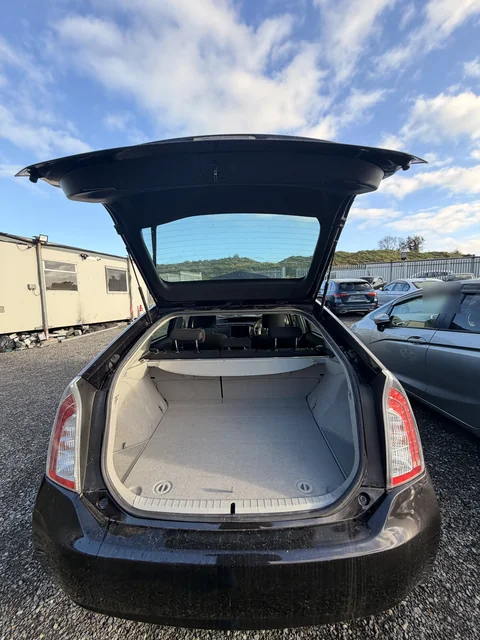 Buy it0.1 V spread across 14 hybrid battery sectionsOctober 2026 · Hybrid · Japanese import
2014 Toyota Prius Japanese import with a healthy hybrid battery and no red flags
0.1 V spread across 14 hybrid battery sectionsAll 14 hybrid battery sections sat within 0.1 V of each other, the scan was clean after the drive and the tyres were new. The front drop links were the only real job.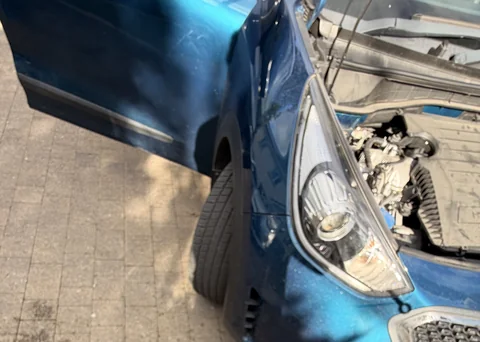 Buy it0.02 V spread across 64 hybrid battery cellsOctober 2026 · Hybrid · UK import